
MEAL FRAMEWORK
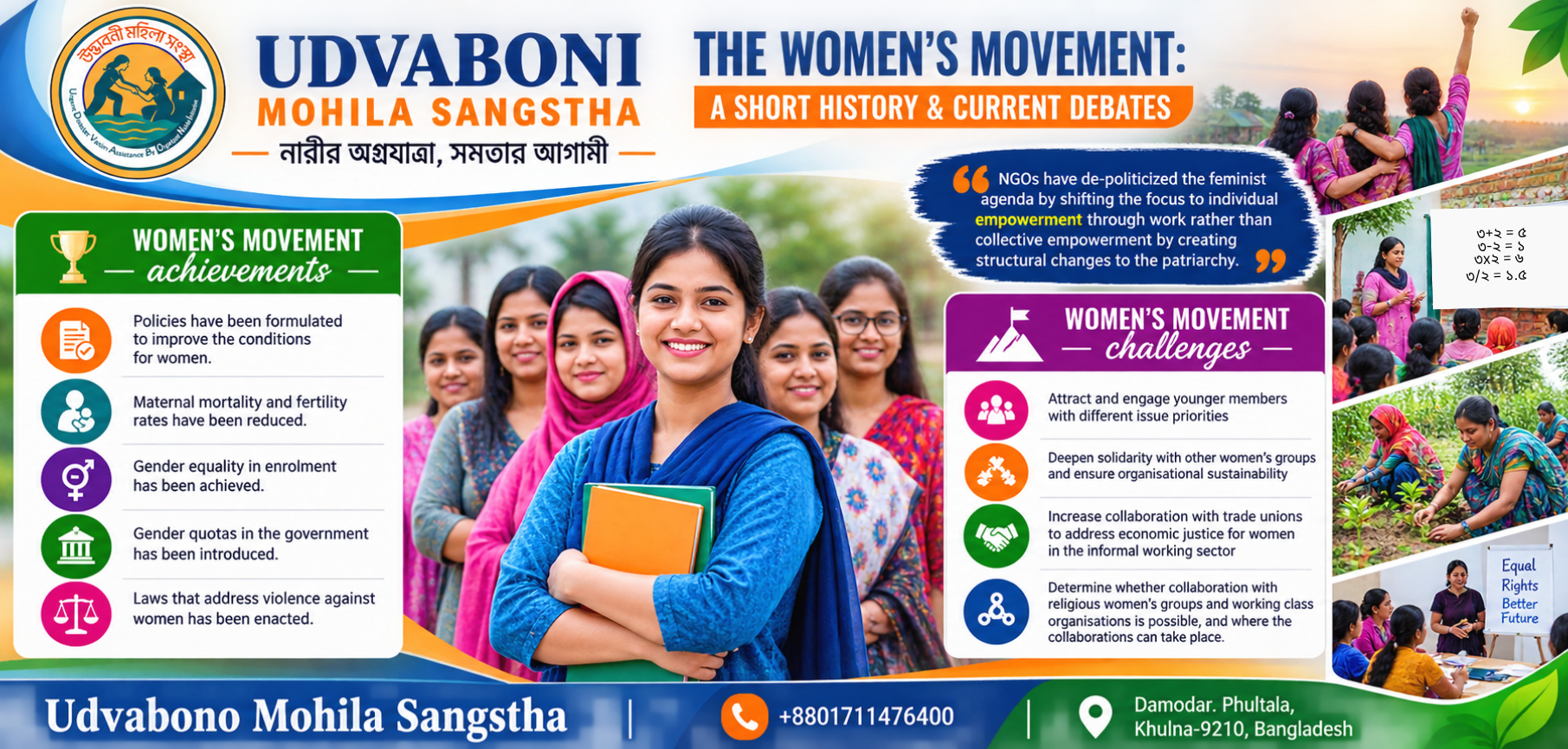
Udvaboni Mohila Sangstha (UMS) is a voluntary, non-profit, and humanitarian development organization. The organization works to empower disadvantaged communities, promote the rights of women and children, strengthen disaster management systems, improve education and healthcare services, and enhance livelihood opportunities.
In today’s development context, merely implementing activities is not sufficient. Measuring project outcomes, impact, and beneficiary satisfaction is equally important. This need has led to the development of this comprehensive MEAL Framework.
The framework has been designed in alignment with international humanitarian standards, donor requirements, and local development realities.
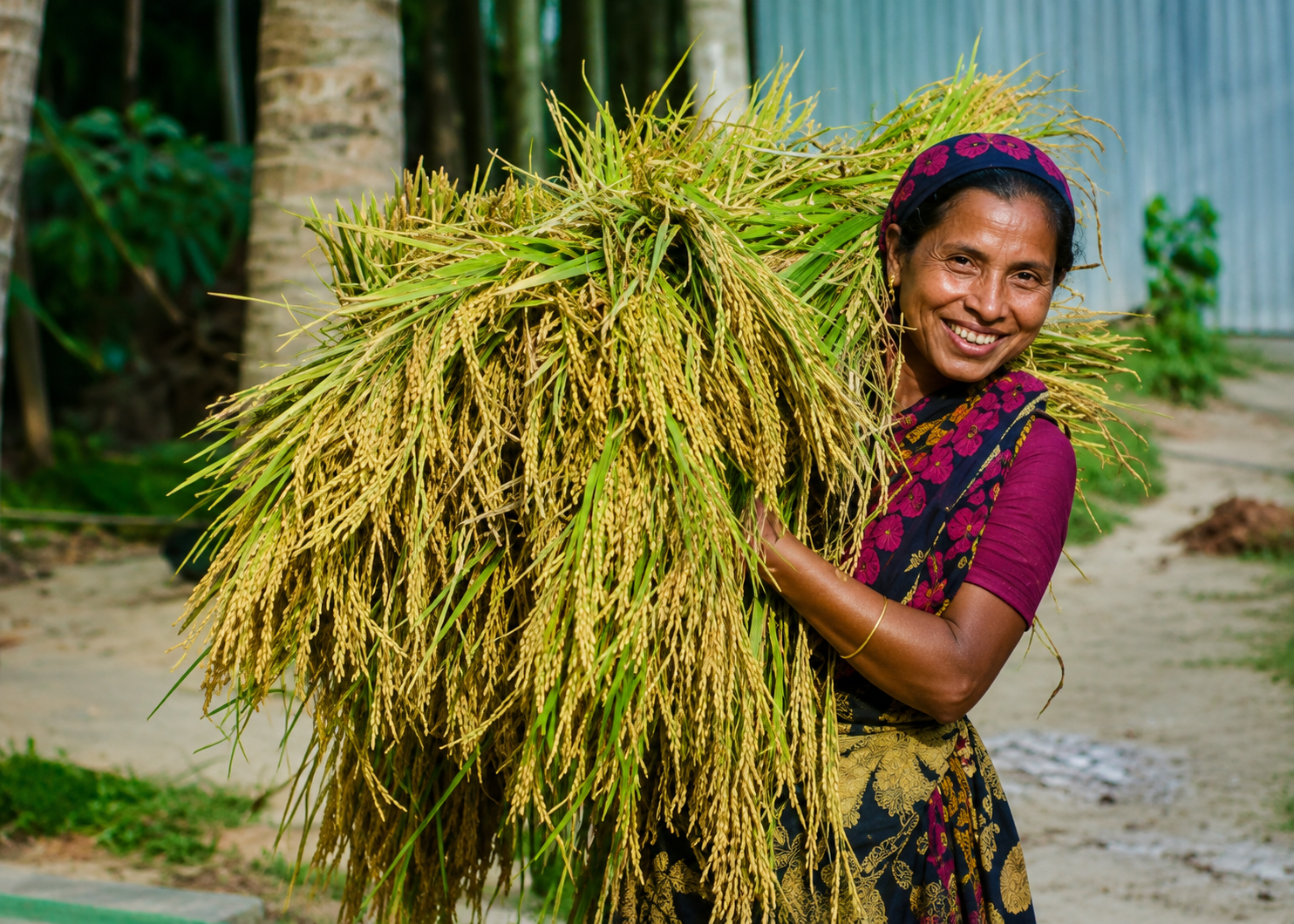
An effective MEAL Framework (Monitoring, Evaluation, Accountability, and Learning) transforms community interventions into scalable, data-driven impact. For Udvaboni Mohila Sangstha, this framework systematically tracks outcomes across gender empowerment, disaster risk reduction (DRR), healthcare, education, and livelihoods.
Core Components of the MEAL Framework
1. Monitoring : Real-time collection of quantitative and qualitative data using indicator tracking tables (ITTs). Tracks activity delivery, output completion, and baseline-to-endline shifts in parameters.
2. Evaluation: Periodic reviews (mid-term and final evaluations) aligned with OECD-DAC criteria (Relevance, Coherence, Efficiency, Effectiveness, Impact, and Sustainability).
3. Accountability: Establishing accessible Community Feedback and Response Mechanisms (CFRM)—such as complaint hotlines, help desks, and community committees—ensuring protection against sexual exploitation and abuse (PSEA) and protecting participant dignity.
4. Learning: Routine post-implementation reviews, case studies, and “pause-and-reflect” sessions to translate data into actionable strategy pivots and institutional memory.